Lipsky / Bessette / Maranda
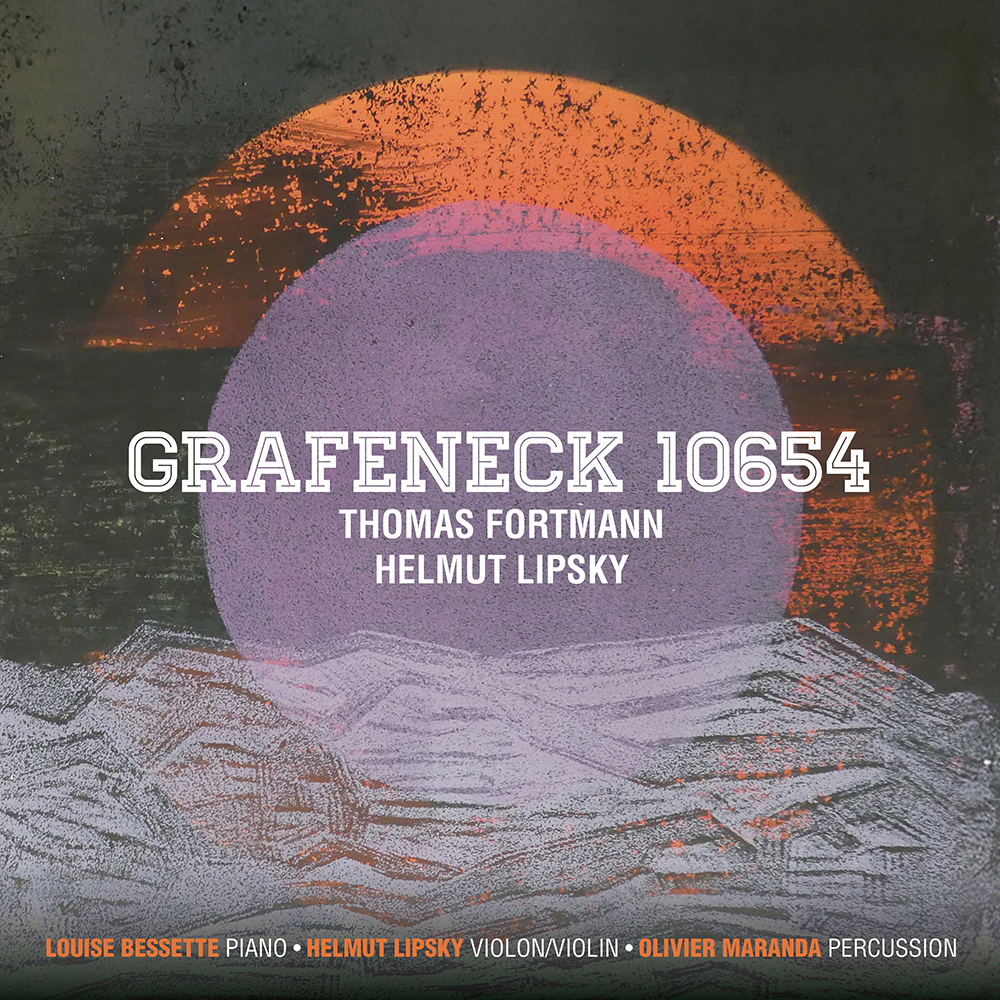
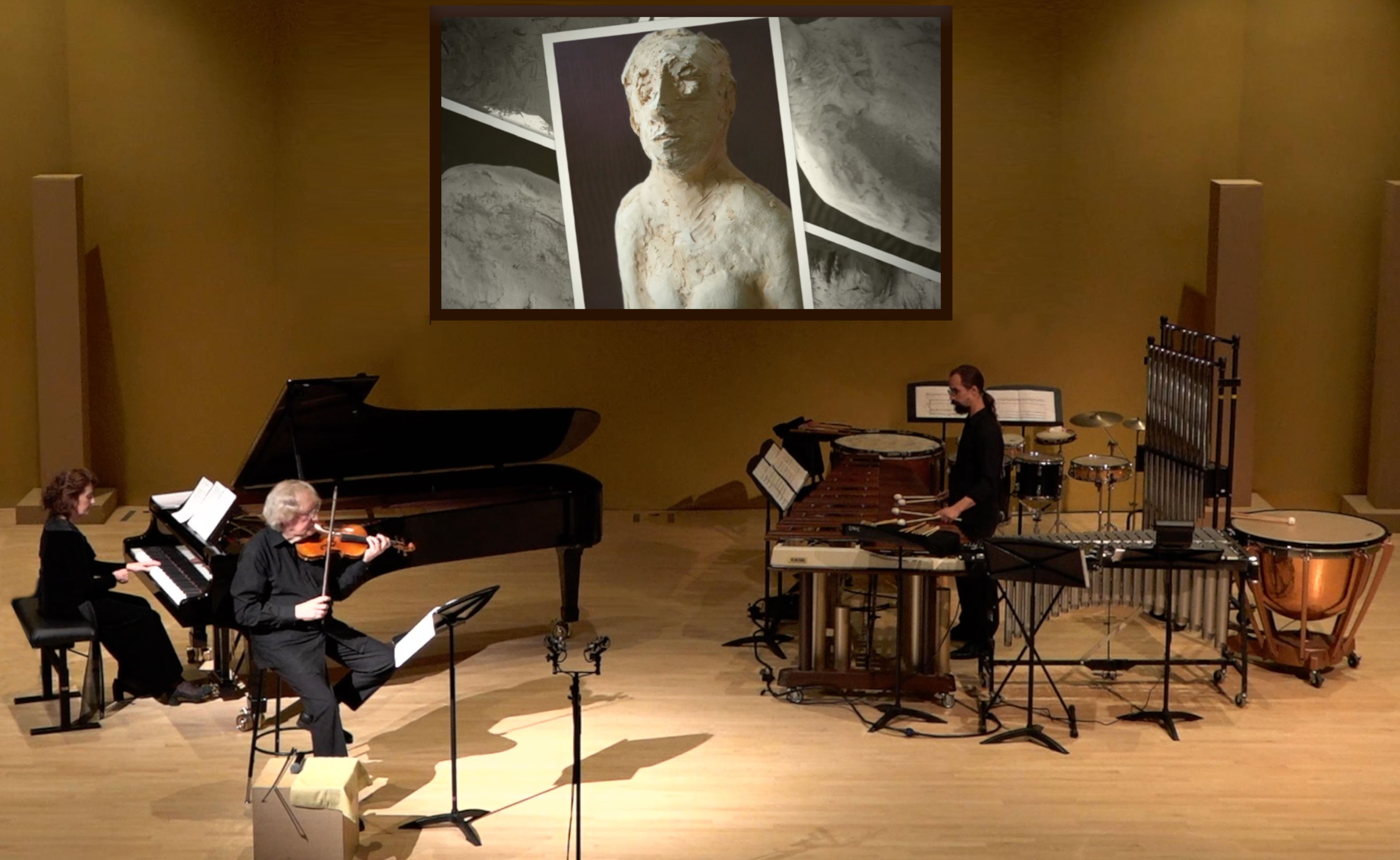
Montreal, July 28th, 2026 - Inspired by the rich but ultimately unthinkable story of Grafeneck Castle, composers Helmut Lipsky and Thomas Fortmann have created a musical narrative of several centuries of the castle’s history. Grafeneck 10654 recounts this chronicle from its Renaissance origins, to the 18th century presence of court musician C.P.E Bach, to 1940, when its courtyard served as the site for the Third Reich’s first test of the gas chamber, intended to dispose of 10,654 disabled people. Helmut Lipsky, violin, Louise Bessette, piano, and Olivier Maranda percussion, have recorded these five works, resonating with both the beautiful and the ugly events that transpired over the centuries in Grafeneck Castle.
“... The expressivity of this music permeated the public and made them shiver to the depths of the soul....” said the Südwest Presse, following the 2015 premiere at Grafeneck Castle. The recording of this music opens a new chapter in the narrative of a place once filled with the beautiful sounds of C. P. E. Bach which became the grave of 10,654 people with cognitive and physical disabilities.
It is an ode to memory with the hope of opening the door to dialogue and healing.
Fortmann’s Introduzione Rinascimentale, evoking Renaissance musical language, is followed by Württembergische Bacchate inspired by Carl Philipp Emanuel Bach’s Six Württemberg Sonatas composed when he was in residence at the court of the Duke of Württemberg. Lipsky’s Boîte Aux Clochettes Hantées (BACH), is inspired by C. P. E. Bach’s fascination for mechanical objects such as music boxes, bell mechanisms and clocks. His Überm Sternenzelt sicher wohnen, (Above the stars they surely dwell) inspired by Ludwig van Beethoven, makes an appearance in the album alongside themes from Beethoven’s Moonlight Sonata and Violin Concerto.
This Ode to Memory and Hope is a requiem for the gradual decline of Grafeneck Castle, which fell into disrepair in the 19th century before it became a hospice. The album finishes with Fortmann’s Grafeneck 1940. This piece is the musical imagining of a Castle becoming the first Nazi extermination centre for people living with mental and physical disabilities, expressing the victim’s inner worlds. The piece ends with 10654 metronome clicks, one for the death of each victim.